You’ve probably heard the phrase one size fits all. Popularized in the 1960s by items like tube socks, it promised simplicity and mass appeal. The stretchy fabrics and uniform production meant everyone could buy the same product and expect it to work. But today consumers expect personalization in almost everything they buy, and veterinary care is no exception. Treatments, therapies, and medication dosages vary dramatically across species. What works for a dog or cat doesn’t work for a horse, parrot, or iguana. That’s why exotic and equine veterinarians need care processes, and labeling systems, designed specifically for the unique environments and patients they serve.
General Veterinary Labeling Needs
Most small-animal veterinary practices operate within controlled indoor environments where labeling demands are consistent and predictable. Labeling typically supports routine operations like medication dispensing, specimen testing, care direction, and client communication, all within a predictable environment.
Because these labels are used primarily indoors, materials are optimized for those conditions, and printed on direct thermal or thermal transfer labels designed for Zebra or DYMO printers.
In addition, workflows are relatively uniform. Label templates generated from practice management software systems allow practices to use preprinted veterinary labels or customizable options generated from blank direct thermal rolls to integrate seamlessly into daily operations.
Unique Labeling Considerations for Exotic Animal Practices
There’s an old veterinary school saying that cats are not small dogs, so don’t treat them as such and that lesson applies tenfold to exotic pets!
Clinics treating reptiles, birds, amphibians, and small mammals must account for differences in anatomy, environment, and handling requirements.
Species Specific Precautions
Each exotic species has unique sensitivities which impacts treatments. For example, a bird's lungs and air sacs are much more efficient at gas exchange than a mammal's, meaning they also absorb airborne toxins more effectively. While reptiles are ectothermic, meaning their body temperature, metabolism, immune system function, and how they process medication are all directly dependent on their external environment.
Labels must clearly communicate these distinctions to prevent transmitting viruses or bacteria, from one species to another or misdosing.
Small Dose Labeling
Dosages in exotic medicine are often minute, requiring labels that display precise information in limited space. Compact label formats ensure legibility even on small vials or syringes.
Environmental Factors
Exotics require more specialized treatment conditions than cats or dogs. Scents or predator odors can increase the animal's stress and defensiveness. Reptiles require warmer and more humid conditions. The temperature and humidity variations and importance of cleaning can minimize the stress of the animals but add stress to proper label selection. Labels applied to medication containers, samples, equipment and more must be designed for the unique elements to ensure labels remain intact and readable.
Handling Challenges in Isolation Areas
Although infection control protocols help keep isolation areas safe, disinfectants used to wipe down containers can smudge information on the label or make it unreadable.
By pairing the right label materials and adhesives with species-specific information, exotic practices can reduce the risk of error while maintaining safe, organized workflows.
Labeling Challenges in Equine Practices
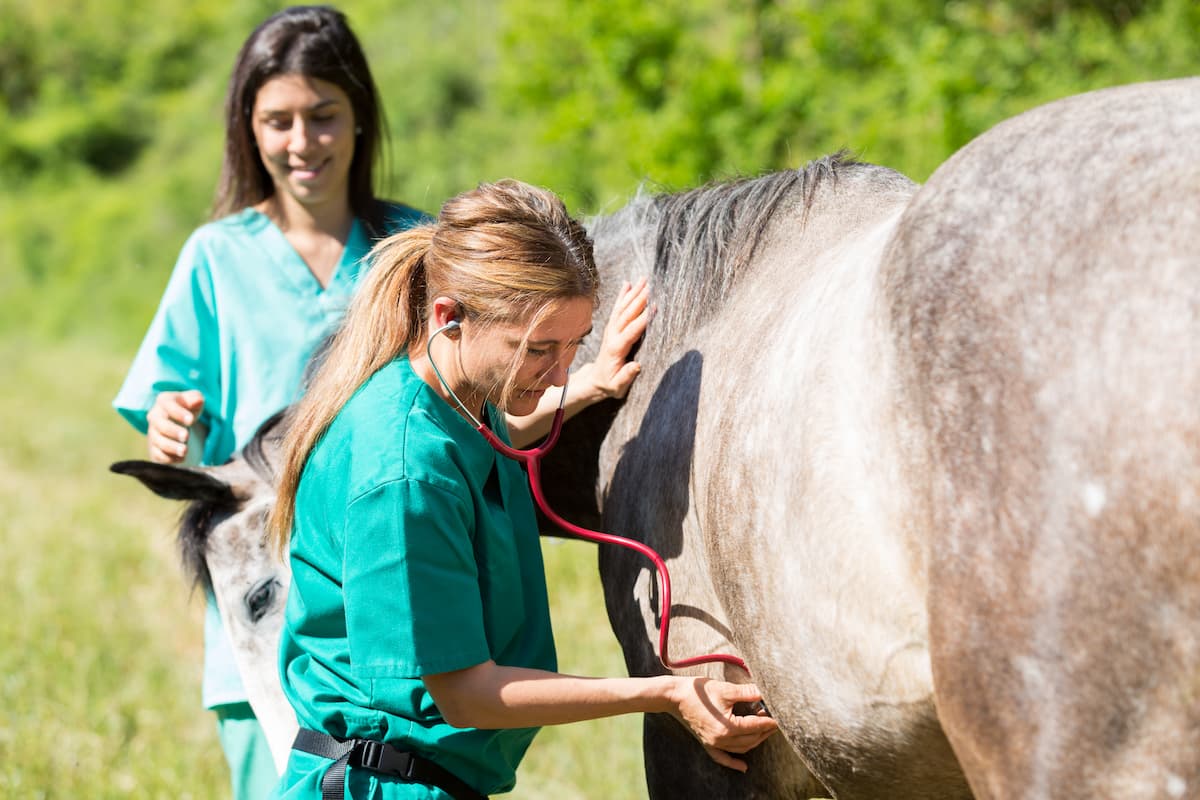
Equine medicine introduces another level of complexity, both in the environment and the scale of the patients. Many equine veterinarians work in barns, fields, or on-the-go in mobile units. Labels must endure exposure to dust, sunlight, and temperature fluctuations, all while maintaining readability and adhesion.
Outdoor Durability
Unlike climate-controlled clinics, barns and trailers subject labels to extreme environmental stress. When labeling items impacted by the elements, using weather-resistant and UV-protected materials prevent fading and ensure that instructions remain visible over time.
Mobile Care Requirements
Equine veterinarians are often on the move, carrying printers and supplies to remote locations. Labeling systems must be portable, printer-compatible, and field-ready. Durable direct thermal rolls that work with compact mobile printers allow clinicians to produce accurate labels wherever treatment occurs.
UAL supplies direct thermal and thermal transfer rolls in the core sizes that mobile printers require.
Larger Containers and Syringes
The amount of active ingredient needed to treat a 1,000-pound horse is far greater than what’s required for a 20-pound dog. Consequently, equine medications are often packaged in larger containers that demand more labeling space. UAL’s custom label capabilities give veterinarians the flexibility to choose label sizes that fit these larger formats and clearly display all critical dosage and safety information.
Emergency Preparedness
Equine care often involves urgent interventions where clearly labeled sedatives, anti-inflammatories, and emergency medications can make a difference. Whether it’s colic, laminitis, or wound care, maintaining a stock of medication labels and labeling shelves with the unique drug categories make it easier to locate and administer the right treatment quickly under pressure.
Long-Term Tracking
Unlike small-animal patients who return regularly, horses are more likely to remain off-site for extended periods. Durable labels support long-term medication tracking and vaccination schedules, ensuring continuity of care between visits.
In a standard veterinary setting, condensation, frequent handling, refrigeration, and varied surfaces all create conditions where labels can fail without the right materials and adhesives. In mobile clinics, these challenges multiply. Although labels aren’t the first thing on an equine vets mobile task list, they elevate quickly if the result is lost information, wasted medication, or treatment delays.
Operational Benefits of Custom Labeling
Custom labeling is an effective way to address environmental challenges and improve operational results. Practices that tailor labels to their workflow and species mix reduce the risk of medication errors, enhance recordkeeping, and improve compliance documentation.
The UAL Custom Label Designer makes it easy to design, price and order custom labels online.
Reducing Medication Errors
Clear formatting, color coding, and species-specific warnings help prevent dosing mistakes. For example, dispensing an equine medication like flunixin meglumine (Banamine) or a dewormer such as ivermectin are far different than the micro-dose medications for avian or reptiles such as enrofloxacin, meloxicam, or metronidazole. When every label is designed to highlight crucial details such as drug concentrations or special handling, staff spend less time double-checking and more time caring for patients.
Supporting Compliance
From the FDA and OSHA to state and local agencies there are various compliance guidelines that exotic and equine veterinarians are required to follow. Vaccines, sedatives, and controlled substances require labels that withstand handling and meet documentation standards.
For example, equine practitioners must maintain accurate tracking for rabies, West Nile virus, and tetanus vaccines and a label is often used to document them in a horse's passport. Custom labels are also crucial for documenting routine procedures and required dental checkups directly in the patient's record.
In addition, exotic veterinarians that handle injectable controlled substances like ketamine or alfaxalone must store those anesthetics in a tamper-resistent cabinet. Using tamper-evident labels helps to ensure accountability.
In facilities treating wildlife or exotic pets, clear “Not for Human Use” or “Species-Specific Use Only” statements help prevent cross-use of medications like toltrazuril (commonly used in reptiles and birds) or meloxicam (used in small mammals and birds at much lower doses than in dogs or cats).
Improving Staff Efficiency
Whether you’re working in a humid reptile room or a dusty barn, labels designed for the environment reduce time spent replacing damaged labels or reprinting information. Integrating stock and pre-printed labels with practice software and mobile printers creates seamless, field-ready workflows.
Enhancing Client Communication
For take-home treatments, clear, easy-to-read prescription labels help guide proper use. Instructions like refrigerate, give with food, and give on empty stomach improve the drugs efficacy and make post-care adherence easier.
How UAL Supports Specialty Practices
United Ad Label understands that exotic and equine practices operate in conditions where standard labels aren’t always the best option. That’s why UAL offers a broad range of solutions designed specifically for veterinarians working outside traditional settings.
Durable, Weather-Resistant Materials
From barns to mobile trailers, UAL provides labels built to withstand sunlight, moisture, dust, and fluctuating temperatures, ideal for equine and large-animal applications.
Custom Sizes and Formats
Whether you’re labeling a 0.3cc syringe for reptiles or a 400-mL equine syringe, UAL’s custom label options let you specify the size, adhesive, and finish that fits your workflow.
Easy Ordering and Reordering
With online ordering, for both stock and custom products, and reorder tracking, practices that serve multiple species or operate across several sites can manage their entire labeling program with one trusted supplier.
Exotic and equine veterinary practices face labeling challenges that go far beyond the walls of a typical small-animal clinic. Environmental extremes, species-specific risks, and mobile workflows demand materials that perform flawlessly under stress.
With durable, customizable solutions, United Ad Label helps specialty practices maintain accuracy, efficiency, and patient safety, in the office and in the elements. Contact us to learn more.