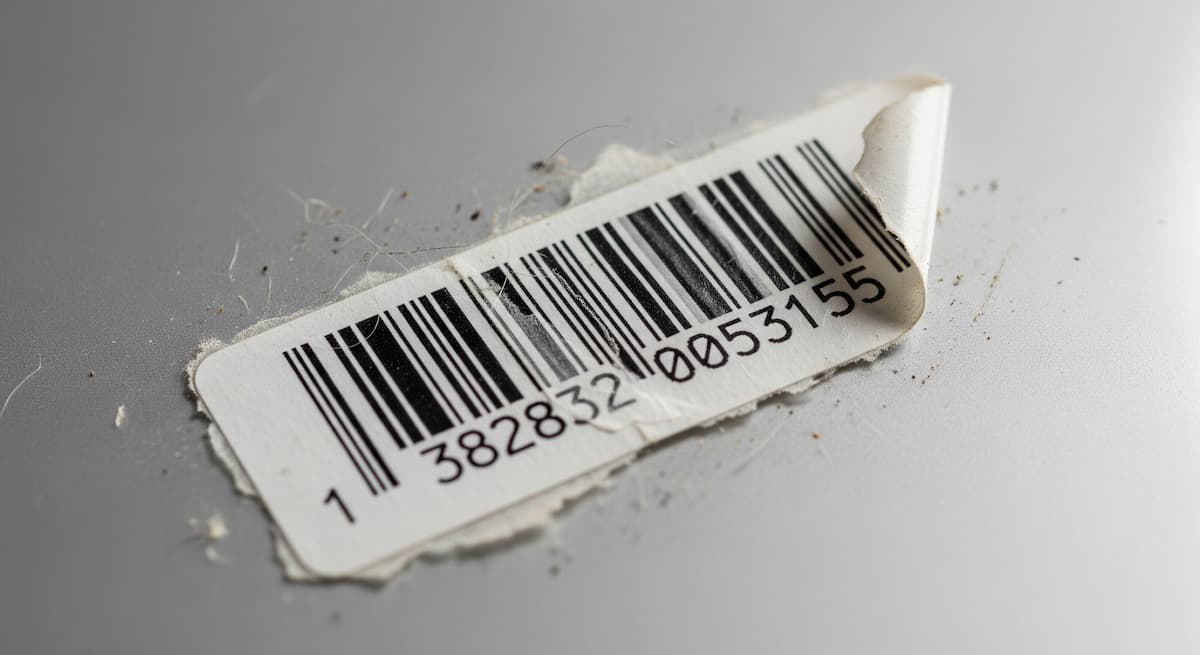
Removing labels can often be a frustrating task, whether you're dealing with a stubborn price sticker on a souvenir, preparing a jar for a DIY project, or simply aiming to make an item more recyclable. The seemingly simple process is often more complicated than you expect. Plus, if you use the wrong technique, it can lead to damage or stubborn residue. Although there are no foolproof methods, this comprehensive guide will provide you with practical tips and tricks to remove labels cleanly, ensuring a smooth, residue-free finish.
Types of Labels
When struggling to remove a label, it’s unlikely you’ll stop and wonder, “What type of label material and adhesive did they use?” But, understanding those details will lead to more effective label removal. Here are some of the commonly used label materials.
Paper Labels
Paper labels are a frequently used label material. They are typically used for temporary applications and ones that require less durability such as price tags and product information. They often have a water-based adhesive, which allows removal using water or a mild solvent.
Plastic Labels
High-density polypropylene (HDPE) and Polypropylene (PP) are the primary plastics used in labeling applications. Polypropylene is a very durable and waterproof material that is often married with an aggressive adhesive making it difficult to remove. It’s commonly used for beverages, toiletries and cosmetics.
Vinyl Labels
Vinyl labels are highly durable and used for heavy-duty applications. Similar to polypropylene, their adhesives can be particularly challenging to remove.
Linerless Labels
A linerless label functions in the same way as a standard label except it only contains the face stock and adhesive. But just like other labels, the adhesives can vary depending on the application.
Why Are Labels So Difficult To Remove?
As a consumer, it's frustrating to buy new items like glassware, picture frames, or keepsakes and find them marred by a difficult-to-remove label. But, there are often good reasons to do so. For example, a retailer might require suppliers to use a permanent adhesive to prevent the “bait and switch.” That’s when someone removes the label containing the accurate price and applies a different label with a lower price.
Unfortunately, there are times when the specifications don’t match the application. For businesses, choosing the right label material and adhesive is important to ensure that the product remains labeled properly without creating undo hassles for the consumer.
Tools and Materials
If you have attempted to remove a label without success, here are a few of the tools and cleaning solutions that should aid in the removal:
Tools
- Plastic scraper or old credit card
- Hairdryer or heat gun
- Razor blade (for glass surfaces only)
- Microfiber cloth
Cleaning Solutions
- Commercial adhesive removers such as nail polish remover, Goo Gone and WD-40
- Natural alternatives include vinegar, baking soda and lemon oil
- Rubbing alcohol
- Warm soapy water
Step-by-Step Guide To Label Removal
The best way to remove a label depends upon the material and the surface it’s applied to. Here are the most common substrates. If you don't have a commercial adhesive remover handy or prefer not to use one here are some guidelines.
Glass
From a high-end product like Waterford Crystal or a simple jar to a household product like a mirror or lamp, glass is commonly labeled using a paper label material. For removal, use these steps:
- Cover the label with hot soapy water. Submerge smaller glass into a pot. For larger items, use a cloth soaked in hot water.
- Scrape the label at a shallow angle using a plastic scraper or razor blade.
- Scrape in a motion that is away from your hands to prevent accidental cuts.
- If adhesive residue remains, use rubbing alcohol to dissolve it completely.
For residue that persistently remains on the surface, nail polish remover, Goo Gone and even WD-40 will help to loosen and remove it.
Metal
Labels are commonly applied to metal surfaces, whether they are bumper stickers requesting patience from fellow drivers for a driver-in-training or price and product descriptions on a saucepan. Here are a few things that will help ease their removal.
When removing labels, the approach depends on the type of material. A durable vinyl label, such as a bumper sticker on outdoor metal, must first have its top surface peeled away to expose the adhesive underneath. In contrast, a paper label, like a price or product sticker, is easier to remove because the adhesive is more accessible.
- Saturate the surface of the label with vegetable oil.
- Let the oil soak in and permeate the label for two hours.
- Use a hairdryer to soften the adhesive.
- Use a towel soaked in hot water and soap and apply it to the label.
- Use an old credit card to wipe away the residue.
- Use a microfiber cloth to dry and buff the surface.
Wood
Using heat is the best way to remove labels from most wood products, including finished and unfinished wood with one word of caution. Avoid using heat on wood with lacquered surfaces because it can actually remove the finish. So if you’re sure of the wood surface, use these steps:
- Use a blow dryer on a low setting, holding it 2 to 3 inches away from the surface.
- After 45 seconds, use your fingernail to pick the corner of the label to see if it’s loosened.
- If so, slowly pull the label away from the wood and apply heat underneath it.
- Use a plastic card to scrape and remove the material.
- Use natural cleaners like vinegar or lemon oil to gently remove adhesive.
For labels that continue to adhere to a wood surface, apply vegetable oil or acetone.
Plastic
Removing labels from plastic may be the most challenging. Although acetone and other chemicals can help remove the label, they may also damage the container. In addition, heat may cause the container to melt. So start with these steps instead:
- Fill a container that is large enough to hold your item with white vinegar.
- Let the container soak for 15 minutes.
- Scrape gently using a plastic scraper.
For especially challenging labels, heat the vinegar and let the container soak longer to encourage removal.
For other surfaces, if you know the type of material, these are steps that help remove the label.
Removing Paper Labels
- Soak the label - Use warm soapy water to soak the label, making it easier to peel off.
- Scrape gently - Use a plastic scraper to gently lift the edges of the label.
- Remove residue - Clean the remaining adhesive with rubbing alcohol or vinegar.
Removing Plastic Labels
- Heat the adhesive - Use a hairdryer to warm the label, loosening the adhesive.
- Peel carefully - Slowly peel the label from one corner, applying heat as needed.
- Clean the surface - Use a commercial adhesive remover to clean any leftover residue.
Removing Vinyl Labels
- Apply heat - Use a heat gun to warm the label, focusing on small sections at a time.
- Peel with care - Peel the label slowly, using a plastic scraper if necessary.
- Remove stubborn adhesive - Use WD-40 or a similar product to clean off tough residues.
Removing Labels from Packaging
Removing a label from cartons or other packaging materials often causes damage and may prevent you from reusing them. For these applications, consider using blockout labels to cover them neatly. Block-out labels are opaque and can effectively conceal old labels without the need for removal.
Eco-Friendly Disposal
Labels are often recyclable after removal. Here are some eco-friendly tips:
Recycling
- Separate paper labels and recycle them with paper waste.
- Plastic and vinyl labels should be disposed of according to local recycling guidelines.
Minimizing Waste
- Use natural cleaning solutions to reduce chemical waste.
- Opt for reusable containers and items to minimize the need for frequent label removal.
United Ad Label
By following these steps and tips, you can effectively remove labels without damaging surfaces or harming the environment. Whether you're repurposing items, recycling, or simply tidying up, this guide is your go-to resource for all things label removal. For more tips and product recommendations, visit United Ad Label and explore our range of high-quality labels designed to meet all your needs.